Trying to choose between living in Eagle River or Anchorage? You’re not alone. Both offer great Alaska lifestyles, but the day-to-day feel, commute, housing options, and amenities can be very different. In this guide, you’ll see clear tradeoffs, practical examples, and decision tips tailored to how you live and work. Let’s dive in.
Quick orientation
Eagle River is a community within the Municipality of Anchorage, northeast of central Anchorage along the Glenn Highway. The drive from the Eagle River town center to downtown Anchorage is roughly 10 to 15 miles and often takes about 15 to 25 minutes in non-peak conditions. In winter and during rush hour, expect longer times due to weather and highway incidents. Most people drive, and municipal bus service to Eagle River is more limited compared with service inside Anchorage.
Lifestyle and feel
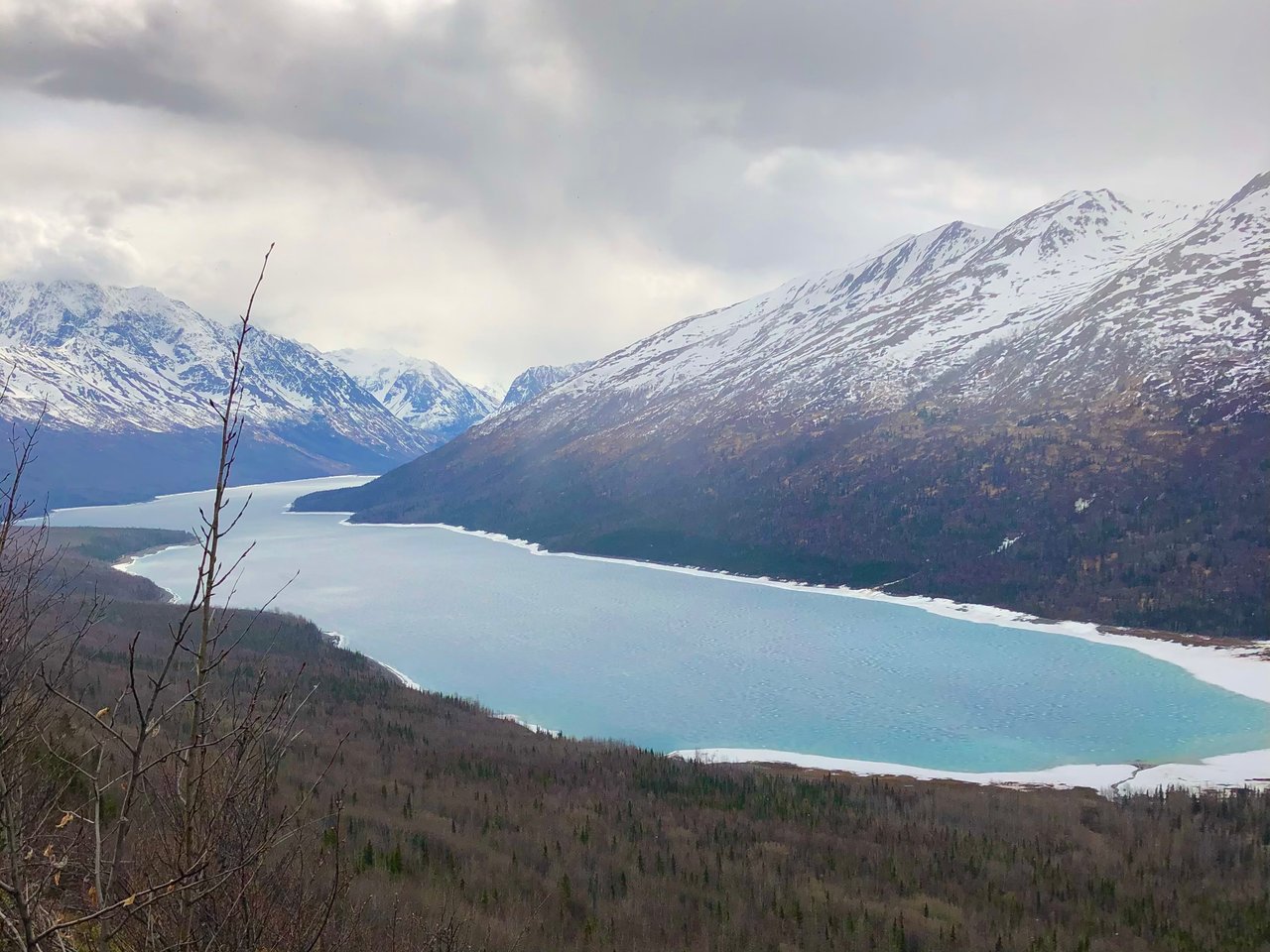
Eagle River offers a suburban to semi-rural feel with quick access to Chugach State Park, local trailheads, and the river. Neighborhoods often have lower density, larger lots, and room for outdoor gear. Streets tend to be quieter, and the community identity leans outdoorsy and family-focused.
Anchorage provides a mix of urban and suburban living, from downtown and midtown to hillside neighborhoods. You’ll find a wider range of dining, shopping, arts, and entertainment. Many residents choose Anchorage to be closer to employers, hospitals, and major services while still enjoying strong outdoor access.
Who tends to choose Eagle River
- You want more yard space, garage capacity, or a larger lot.
- You value quick access to hiking, skiing, fishing, and trail networks.
- You prefer quieter residential streets and a suburban pace.
- You’re open to a Glenn Highway commute that can vary with seasons.
Who tends to choose Anchorage
- You want shorter in-town commutes or proximity to a job center.
- You value diverse dining, specialty shopping, and cultural amenities.
- You prefer more public services and transit options nearby.
- You want more choices in condos, townhomes, or smaller-lot single-family homes.
Housing types and new-build options
Both areas offer single-family homes, but the mix looks different on the ground. Eagle River features a higher share of detached homes and fewer high-density developments. Anchorage has a broader range, including more condos, townhomes, and multifamily buildings.
Eagle River home styles
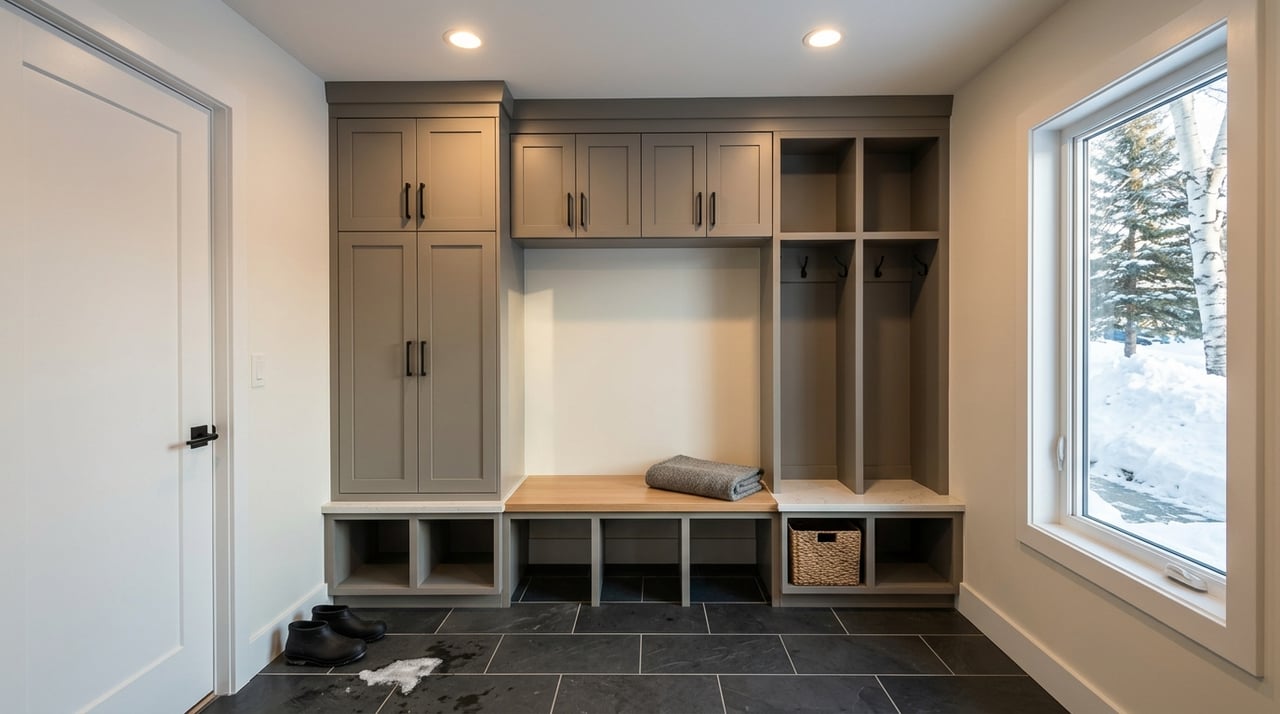
You’ll see 3 to 4-bedroom single-family homes on quarter-acre to acre-plus lots, often with attached garages and mudrooms for gear. Many homes were built between the 1970s and 1990s, alongside newer subdivisions and custom builds. You can also find cabin-style or split-level homes with natural wood finishes near trailheads. Some outlying properties use wells and septic systems, so verify water and sewer at the property level.
Anchorage home styles
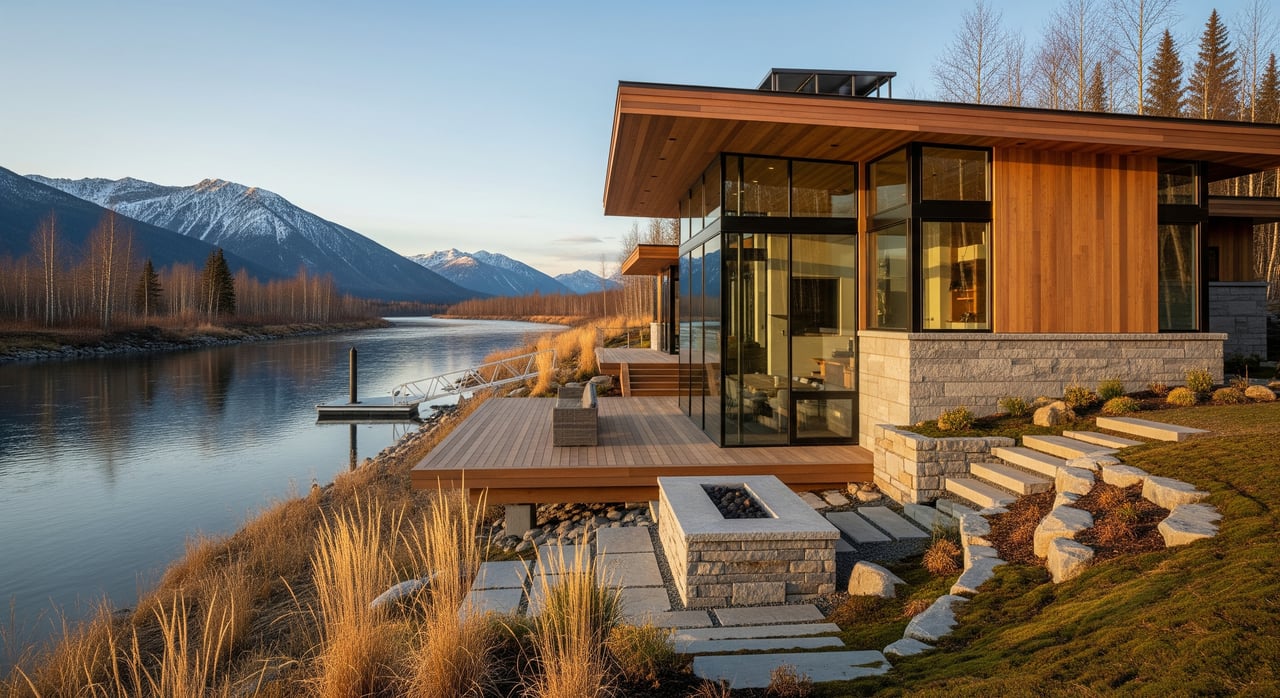
Anchorage’s housing mix includes mid-century bungalows on smaller lots, townhomes and condos near downtown or midtown, and newer infill single-family homes. You’ll also find small-lot modern builds with upgraded insulation and efficient mechanicals. Multifamily living is more common around job centers, giving you more low-maintenance options.
New construction trends
Across the municipality, Anchorage tends to see more multifamily permitting and infill near employment hubs. Eagle River continues to add new single-family subdivisions and scattered custom homes, with fewer high-density projects. For current availability, review municipal building permit summaries and active “new construction” filters in listing platforms, and confirm status with local builders and community councils.
Commute reality
Under good conditions, driving between Eagle River and central Anchorage often takes 15 to 25 minutes. In winter, reduced speeds, ice, and visibility can slow everything down. Because the Glenn Highway is the main corridor, collisions or maintenance can cause delays, so plan a buffer and have a contingency for bad-weather days. Park-and-ride lots and carpooling help some commuters, while biking between the two areas is uncommon due to distance and highway conditions.
Tips to test your commute
- Drive the route at your actual work hours on multiple days, summer and winter.
- Track weather and incident alerts so you understand how conditions change travel time.
- Ask your employer about flexible hours or telework options to add predictability.
Amenities and daily needs
Eagle River has a convenient local commercial center with grocery stores, hardware and home stores, cafes, and restaurants. Daily needs are well covered, though specialty retail is more limited. Many residents love the combination of local conveniences and rapid trail access.
Anchorage offers the widest selection of services and shopping in the region, from national retailers to specialty stores. You’ll also find museums, arts venues, and diverse dining. The major hospitals and many specialty medical providers are in Anchorage, while primary care is available in both areas.
Schools and services at a glance
Both Eagle River and Anchorage are served by the Anchorage School District. Eagle River has local elementary, middle, and high schools in the broader Chugiak–Eagle River area. Because school boundaries and assignments can change, verify the specific school for any property directly with the district. Use neutral, fact-based information when comparing school options and confirm what matters most to your household.
Costs and maintenance considerations
Cold-climate performance matters in both locations. Look for modern insulation, double or triple-pane windows, and efficient heating systems. Many homes use natural gas where available, while others rely on electric, oil, or propane. In Eagle River’s outskirts, some properties use wells and septic systems, so confirm utility service or private systems before you write an offer.
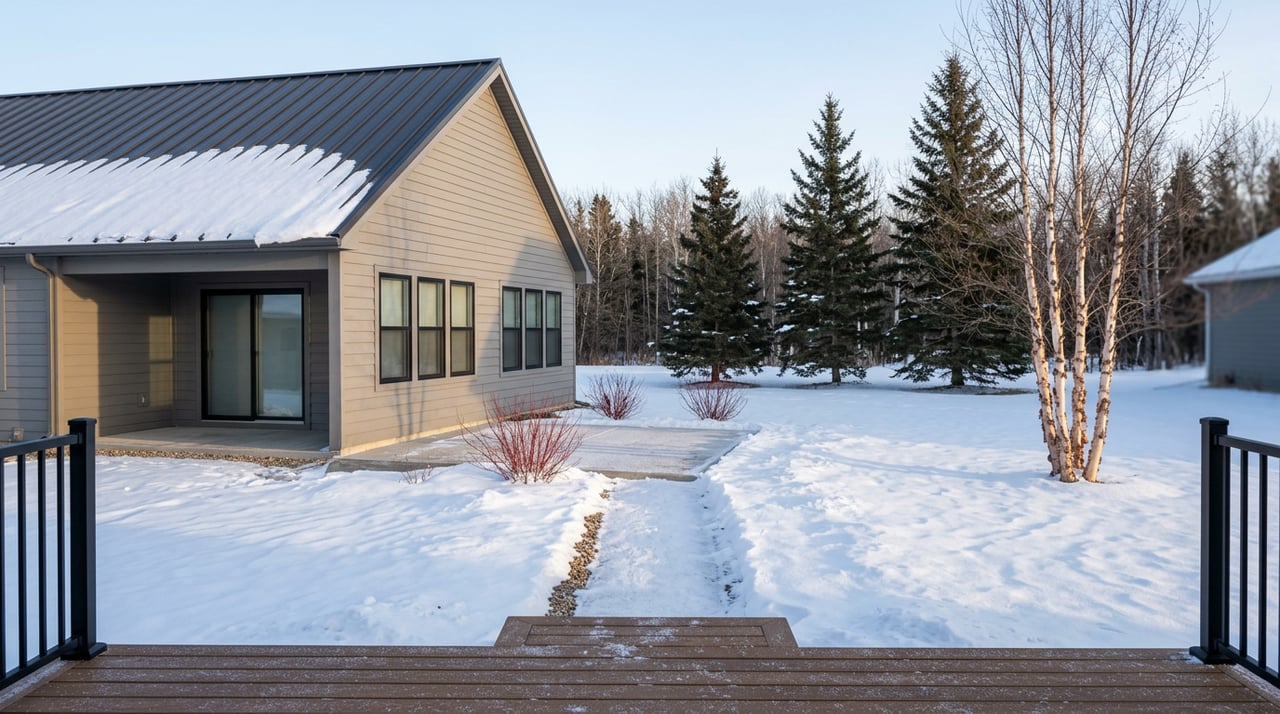
Snow management is a key part of ownership. Consider driveway length, garage capacity, and space for snow storage. Review municipal snow-plow schedules or HOA arrangements, and plan for roof snow loads and ice management.
The key tradeoff: space vs proximity
- Eagle River often offers more lot size and home space for the price, plus direct outdoor access.
- Anchorage offers closer proximity to employers, hospitals, and cultural amenities, along with more transit and housing variety.
- Commute times from Eagle River can be short in good conditions, but they are more vulnerable to highway incidents and winter weather. Living in Anchorage reduces dependency on the Glenn Highway.
How to decide: a simple checklist
- Commute: Are you comfortable with a highway commute that varies by season, or do you prefer an in-town drive?
- Space: Do you want a larger lot, extra garage space, and room for gear, or are you happy with a smaller lot and less maintenance?
- Lifestyle: Do you prioritize trailheads and a suburban feel, or do you want fast access to arts, specialty dining, and urban services?
- New-build preferences: Do you prefer single-family subdivisions and custom homes, or would you consider townhomes and multifamily options near job centers?
- Utilities: Would you accept wells and septic on the outskirts, or do you want municipal water and sewer?
- Transit: Do you rely on frequent bus service, or are you primarily a driver?
How Top Homes Alaska can help
If you’re weighing Eagle River against Anchorage, a local, construction-savvy guide makes a difference. Our team brings decades of Alaska-specific real estate and building knowledge to help you evaluate insulation, heating systems, and site conditions that matter in our climate. With established relationships across regional builders and developers, we can connect you with new single-family subdivisions in Eagle River, urban infill options in Anchorage, and pre-sale opportunities that fit your timeline and budget.
You get boutique, high-touch service with clear communication, relocation support, and bilingual team members when needed. Whether you want a move-in-ready home or a guided path to a new build, we help you compare the tradeoffs and reduce risk so you can buy with confidence.
Ready to explore neighborhoods, new-build communities, or active listings tailored to your goals? Connect with the team at Top Homes Alaska to compare options, preview pre-sales, and Schedule Your Personal Consultation.
FAQs
How long is the drive from Eagle River to downtown Anchorage?
- In non-peak conditions, many drivers see about 15 to 25 minutes; expect longer times in rush hour, winter weather, or during incidents on the Glenn Highway.
Is public transit practical for daily commuting from Eagle River to Anchorage?
- Private vehicles are the primary mode; municipal bus service to Eagle River is more limited than within Anchorage, so many commuters prefer to drive.
What kinds of new construction are common in Eagle River and Anchorage?
- Anchorage tends to see more multifamily and infill near job centers, while Eagle River’s new construction is primarily single-family subdivisions and scattered custom homes.
Do some Eagle River homes use wells and septic systems?
- Yes. Many neighborhoods have municipal water and sewer, but some outlying properties rely on wells and septic; always verify utilities for each property.
Where do Eagle River residents go for hospital and specialty care?
- Major hospitals and many specialty providers are in Anchorage; Eagle River residents typically access primary care locally and travel to Anchorage for hospital services.
How are schools managed in Eagle River and Anchorage?
- Both areas are served by the Anchorage School District; verify school boundaries and assignments with the district for any specific property.
What winter-ready features should I look for in either area?
- Prioritize strong insulation, double or triple-pane windows, efficient heating systems, roof condition for snow load, and space for driveway snow storage.