"This rebate specifically targets the undersupply of new homes throughout Alaska," said AHFC CEO Bryan Butcher when the state's New Home Construction Rebate opened for applications. He was talking about a $10,000 check available to anyone building or buying a new, energy-efficient home anywhere in the state. He was not talking about Eagle River specifically. That distinction matters more than most buyers driving past the framing crews on Paris Way realize.
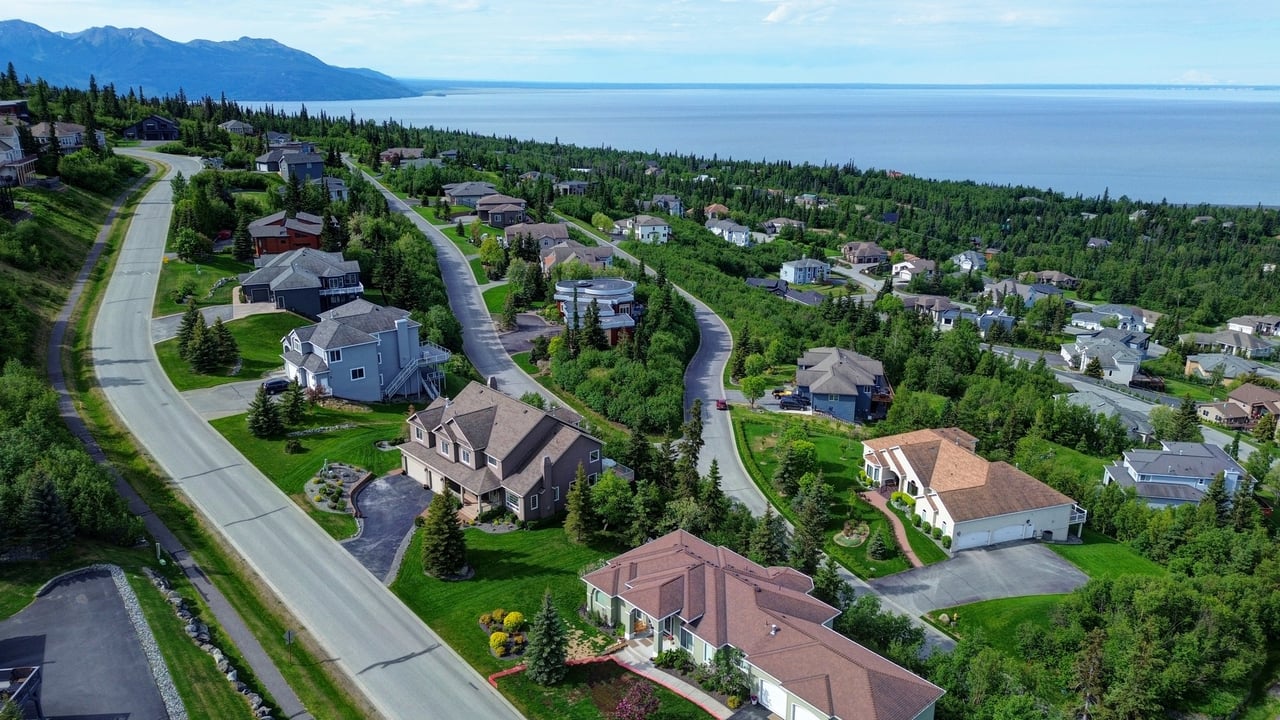
Eagle River is in the middle of a genuine new-construction moment. A 115-lot subdivision has broken ground on 34 acres in the heart of downtown Eagle River, with ranch, two-story, and walkout-basement floor plans built around in-floor radiant heat, quartz counters, and full-extension dovetail cabinetry. A few miles away, Eagle Bluff Estates is opening large view lots overlooking the river itself, close to the Symphony Lake trailhead and a quick run to the Glenn Highway. Buyers comparing the two are doing what buyers do: weighing lot size against commute, floor plan against price per square foot.
That comparison is the wrong first question. The rebate both subdivisions are marketing as a closing-table perk doesn't belong to either of them. It belongs to a single, capped, statewide pool, and the buyer who wins it isn't the one who picked the better subdivision. It's the one who moved fastest.
What $7 Million Actually Buys
The New Home Construction Rebate came out of a $7 million line in the state's 2025 capital budget, aimed at owner-occupied new construction that hits a minimum 5-Star Plus energy rating. AHFC's own estimate is that this funds roughly 650 homes statewide before the money runs out. That number isn't an Eagle River allocation, or a Mat-Su allocation. It's every qualifying foundation poured from Wasilla to Fairbanks to the Kenai Peninsula, all drawing from the same account.
For scale, the state ran a similar program from 2008 to 2016 that helped build more than 3,600 energy-efficient homes over that eight-year stretch, backed by roughly $252 million across the broader weatherization and rebate effort. This one is a single $7 million appropriation, first-come, first-served, with no announced plan to refill it once it's gone. The pool is smaller and the clock is already running.
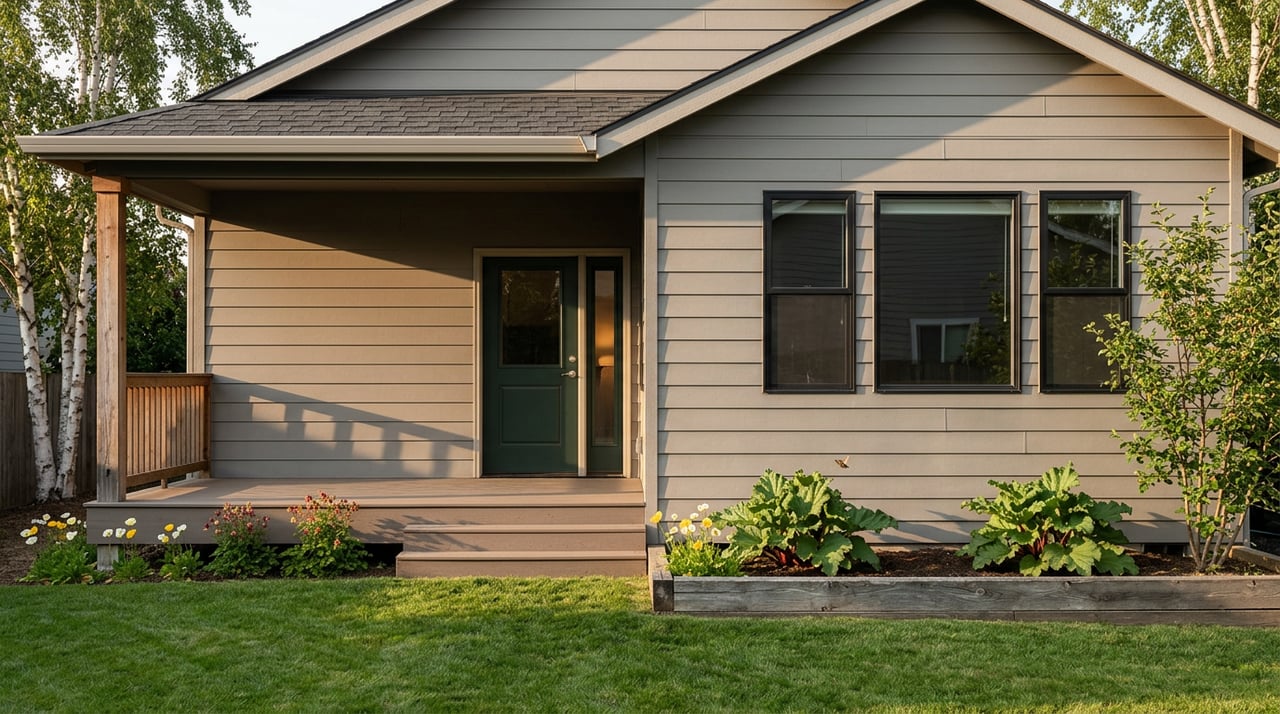
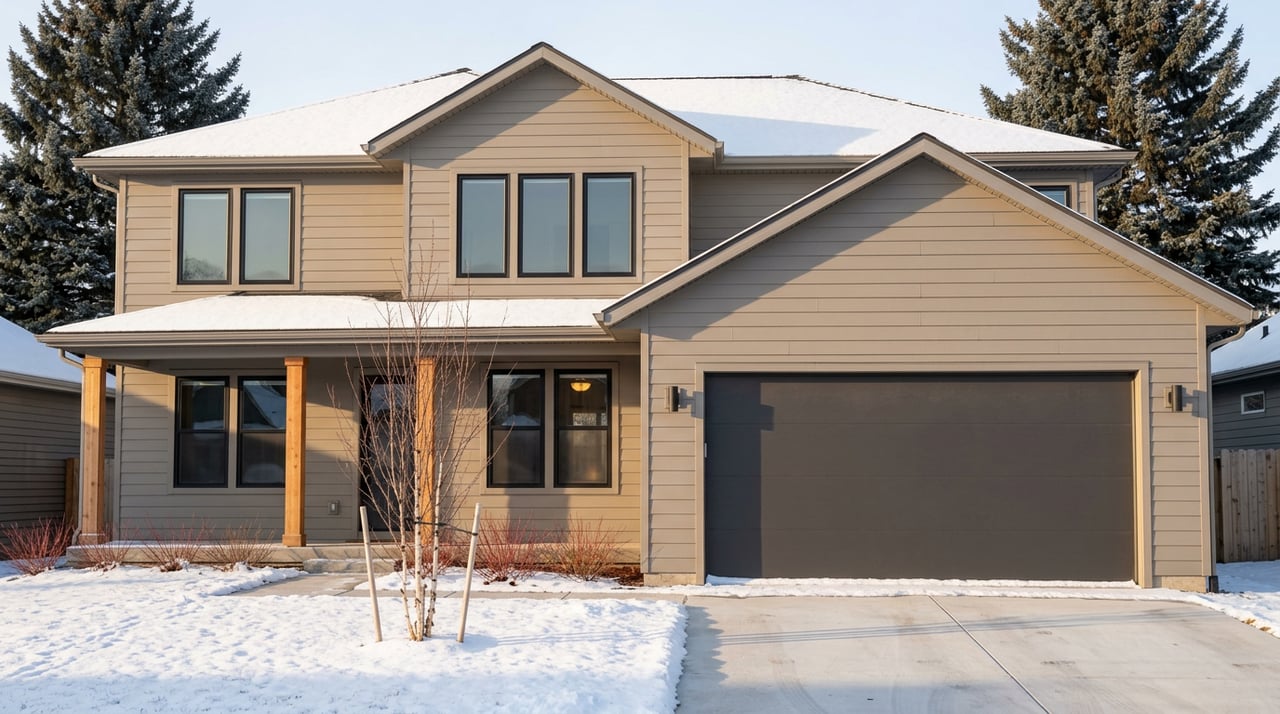
That framing changes what the rebate actually is at a subdivision like the Paris Way development, where listings note that homes are being built to 5-Star Plus specifically so they qualify at closing. On a home listed at $725,000, a $10,000 rebate is a rounding error, not a discount that moves a buying decision. What it actually tests is whether the paperwork, the energy rating, and the foundation inspection all land inside the eligibility window before the statewide fund empties. It's a compliance race dressed up as a builder incentive.
The Eligibility Line That Trips People Up
The rebate isn't automatic just because a home is new. AHFC's requirements are specific:
- The foundation must be completed and inspected on or after January 2, 2025. Anything poured earlier doesn't qualify, regardless of when it closes.
- The home must hit a minimum 5-Star Plus energy rating, verified by an AHFC-authorized energy rater, not just claimed by the builder.
- It has to be owner-occupied. Investment purchases, spec inventory bought by a developer to hold, and non-residential builds are excluded.
- Once preliminarily approved, the buyer has 18 months to finish construction and submit a Certificate of Occupancy or the recorded PUR-102 inspection summary.
- Each applicant or household is limited to one rebate, ever. This isn't a program you can use again on your next build.
None of that is unusual for a state program. What is unusual, and what most buyers don't ask about, is that there's no public counter showing how much of the $7 million is left. The application period stays open "until funding is exhausted," which means the only real signal a buyer gets is whether their application was accepted. Waiting to see if funds run low isn't a strategy. It's a bet with no way to check the odds until it's too late.
Why Speed Beats Comparison Shopping
The local market is already moving on a faster clock than it was a year ago, which is exactly the wrong environment for a buyer trying to compare five floor plans before committing to one. Over the three months ending in May 2026, Eagle River homes sold at a median of $419,000, up 3.0 percent from the same period a year earlier, and the typical sale closed in 7 days on market, down from 11 days the year before. Separately, portal data from August 2026 put the median list price at $498,000, down 5 percent year over year, with days on market falling to 25, a 28 percent drop from August 2025.
Those two figures don't describe the exact same slice of the market. One reflects closed sales over a rolling three-month window, the other reflects active listings at a single point in time. But they agree on direction: homes are moving faster than they were twelve months ago, and the gap between what sellers are asking and what buyers are actually paying has widened, which is the kind of detail that only shows up when you compare more than one data source instead of screenshotting a single portal number.
Financing timelines compound this. Eagle River's proximity to Joint Base Elmendorf-Richardson means VA loans are common here, and a VA loan's zero-down, no-PMI structure can close faster than a conventional file that's still assembling a larger down payment. Alaska's conforming loan limit of $1,249,125 also means most Eagle River new construction, even the higher-end lots at Eagle Bluff Estates, doesn't require jumbo financing, which removes one more delay from the closing timeline. If the rebate really is a race against a statewide clock, the buyer whose financing moves in three weeks instead of six has a structural advantage that has nothing to do with which subdivision they chose.
The Resale Alternative Has Its Own Friction
Not every Eagle River buyer is choosing between new subdivisions. Some are weighing a new build against an older resale home, and that comparison carries a different kind of friction. Many older Eagle River properties carry utility, drainage, or access easements that affect how the lot can actually be used. A title company will surface these during escrow, but by then a buyer may already be emotionally committed to a property that has real restrictions on where a garage or addition can go. Flagging easements before writing an offer, not after, is the difference between a smooth close and a renegotiation.
This is where new construction has a quiet advantage that has nothing to do with the rebate. A freshly platted subdivision like the one on Paris Way starts with a clean survey and a covenant package written for the current lots, not decades-old easements layered onto a parcel that's changed hands five times. We've represented buyers on the Chugach foothills side of Eagle River, including a recent listing with unlimited views north toward the Alaska Range, and the easement conversation almost never comes up on new construction the way it does on a 1970s resale.
What This Means If You're Comparing Subdivisions This Fall
If you're cross-shopping Paris Way against Eagle Bluff Estates, or new construction against an established Eagle River resale, the floor plan and the view are worth comparing. The rebate isn't. It's the same $10,000, drawn from the same shrinking account, whichever address you pick. What actually differentiates your outcome is how quickly your foundation date, energy rating, and paperwork clear AHFC's review relative to every other Alaskan applying this year.
That's a construction and financing question as much as a real estate one, which is exactly the kind of decision that benefits from a broker who's spent decades on the Alaska-specific mechanics of permitting, energy ratings, and builder timelines, not just the listing sheet.
Quick Questions
Does every new home in Eagle River automatically qualify for the rebate? No. It has to meet a minimum 5-Star Plus energy rating verified by an AHFC-authorized rater, sit on a foundation completed and inspected on or after January 2, 2025, and be owner-occupied.
Can the rebate be combined with a VA loan? Yes. AHFC financing is not required to receive the rebate, so a VA, conventional, or FHA loan can be paired with it.
If I already received a similar rebate years ago, can I get this one too? No. Each applicant or household is limited to one state-funded rebate under this program.
Is there a way to check how much rebate funding is left? Not publicly, as of this writing. The application window stays open until the $7 million is exhausted, with no running balance published, which is the strongest argument for applying as early as your foundation timeline allows rather than waiting to compare more options.
New construction in Eagle River rewards buyers who move with the same discipline builders use to sequence a framing schedule. If you're weighing a lot on Paris Way against Eagle Bluff Estates, or wondering whether a resale's easements are worth the tradeoff against a clean new build, Top Homes Alaska can walk the numbers, the timelines, and the paperwork with you before you're competing against a clock you can't see. Schedule Your Personal Consultation.