Dreaming about a home on the water in Wasilla? It is easy to picture summer boating, long daylight hours, and winter views across a frozen lake, but lakefront living here also comes with a different set of rules, maintenance needs, and property questions than a typical residential purchase. If you want to buy with confidence, it helps to understand how shoreline setbacks, utilities, seasonal access, and local regulations can shape daily life and long-term value. Let’s dive in.
Why lakefront living appeals in Wasilla
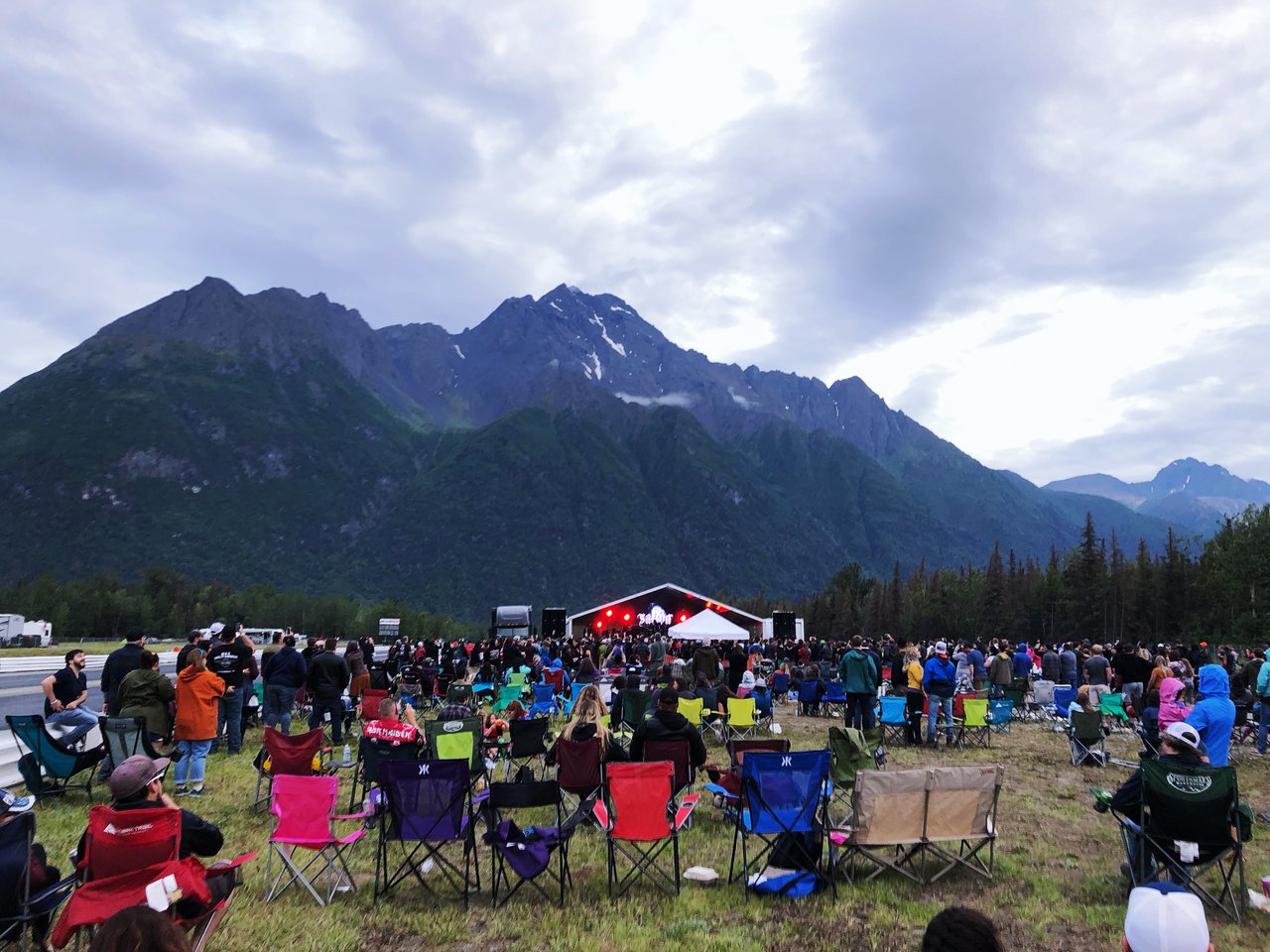
Wasilla’s lakefront appeal starts with its setting. The city sits between Wasilla Lake and Lake Lucille, with the Talkeetna Mountains helping frame the landscape and outdoor recreation woven into daily life.
In the warmer months, local activity often centers on fishing, swimming, boating, hiking, and biking. Some lakes also support floatplane access, including Wasilla Lake, Jacobsen Lake, and Lake Lucille, which shows that for some buyers, shoreline access is about more than scenery alone.
If you are considering a waterfront home in the 99654 area, it helps to think beyond the view. You are also buying into a seasonal lifestyle that can be active, hands-on, and closely tied to the land and water around you.
Seasonal living changes the experience
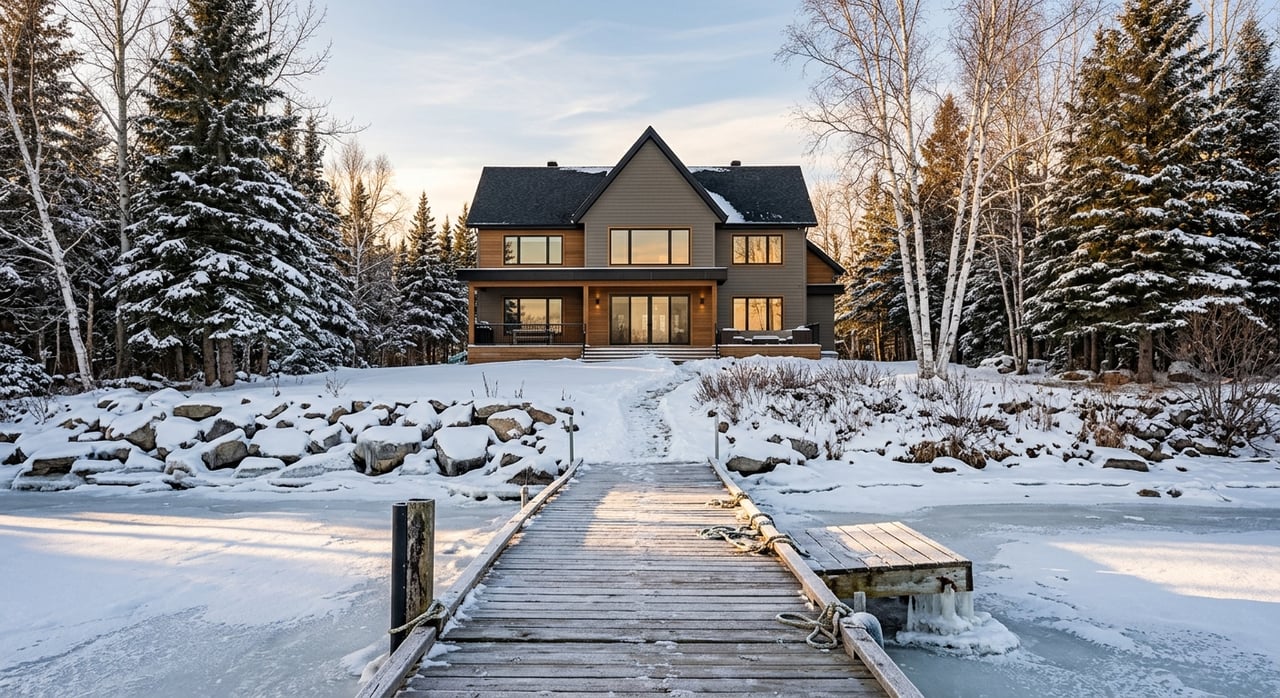
Lakefront ownership in Wasilla does not feel the same year-round. Summer may bring boating and fishing, while winter can shift your routine toward snow management, frozen water access, and weather planning.
At Newcomb Park on Wasilla Lake, the seasonal pattern is a good example of local life. Warmer months support boat fishing, while winter conditions can allow ice-skating or hockey.
The climate also affects how you use and maintain a property. Wasilla has about 17 inches of annual precipitation, about 50 inches of annual snowfall, frequent high winds in fall and winter, and the first frost usually arrives by September 1.
That matters when you look at driveways, roofs, shoreline exposure, and access roads. A waterfront home can feel peaceful and private, but it may also require more planning than a standard in-town lot.
Lake rules can affect your plans
Not every lake experience is the same. In the Mat-Su Borough, some lakes near Wasilla have specific operating rules that can shape how you use the water and how the shoreline feels day to day.
For Wasilla Lake, Cottonwood Lake, and Finger Lake, borough rules include quiet hours from 11 p.m. to 8 a.m. and a 100-foot no-wake zone from the shoreline. Required mufflers, cowlings, and exhaust systems also apply on regulated lakes, and Cottonwood Creek is non-motorized.
These details may sound small, but they can influence how you picture mornings, evenings, and weekends at the property. If your goal is motorized recreation, easy paddling, or a quieter shoreline setting, you want to know those rules early.
Shoreline setbacks matter more than buyers expect
One of the biggest surprises in a lakefront purchase is how much of the lot may be affected by setbacks. A parcel can look roomy on paper and still have a tighter building envelope once local rules are applied.
Inside Wasilla city limits, typical setbacks are 25 feet from the front lot line, 25 feet from the rear lot line, and 10 feet from the side lot lines. But if the property borders a lake, stream, creek, or other waterbody, the minimum setback is 75 feet from the ordinary high water mark.
That 75-foot buffer is a major detail for waterfront buyers. It can affect where a home, garage, addition, or other improvement may be placed, especially on smaller or irregularly shaped lots.
City or borough location changes the process
Before you buy, find out whether the property is inside Wasilla city limits or outside them in the Mat-Su Borough. That answer affects who handles planning questions, zoning review, and parts of the permitting process.
The City of Wasilla Planning Department recommends contacting staff before leasing or buying and offers a free pre-application conference. If the parcel is outside city limits, buyers should instead contact Mat-Su Borough Planning and the Borough Fire Marshal.
This is one of the earliest questions Top Homes Alaska helps buyers sort through, especially if you are relocating or comparing several properties at once. It is much easier to evaluate a lot when you know which local office has authority over the site.
Docks and shoreline improvements may need review
If you are picturing a dock, shoreline stabilization, or other waterfront improvement, do not assume the process is simple. In this area, more than one agency may be involved depending on the work and the location.
Alaska DNR guidance for the Mat-Su region notes that jurisdiction can overlap. The U.S. Army Corps of Engineers may require a permit for certain structures on some waters, and fill placed below the ordinary high water mark or on wetlands may also need Corps review.
That means your plans for the shoreline should be part of your due diligence before closing, not an afterthought. A property may support your vision, but the timing, review path, and allowed improvements may be more layered than expected.
Flood hazard status is worth checking early
Waterfront buyers should also confirm whether the property lies in a federally designated flood hazard area. If it does, future work on the property may require additional review before improvements begin.
The Mat-Su Borough states that a Flood Plain Development Permit is required before rebuilding or other development in a designated flood hazard area. Even if you are buying an existing home, this can matter later if you want to repair, expand, or modify structures.
This is another reason lakefront due diligence should focus on future usability, not just current appearance. A beautiful setting is important, but so is understanding what you may need to do if you change the property over time.
Utilities can vary by address
One of the most practical differences between Wasilla lakefront homes is utility service. Some homes may be served by municipal water and sewer, while others may rely on private systems.
The City of Wasilla Public Works Utility Division handles the city’s drinking water program and sewer collection and treatment facilities. That means a lake-adjacent home in one area may have a different maintenance profile than a similar home nearby.
If a property uses a private well, Alaska DEC says the owner is responsible for sampling and testing the water. The agency recommends annual nitrate and coliform testing along with careful recordkeeping.
If the home has a septic system, that also changes your maintenance responsibilities. DEC recommends regular maintenance and pumping every two years.
For buyers, this is not just a technical detail. It affects inspections, monthly budgeting, and how you plan for long-term ownership.
Winter access and road maintenance count
A waterfront home can feel tucked away, which is part of the appeal. But you also want a clear understanding of who maintains the road and what happens after a snow event.
The borough says snow removal starts at 4 inches, and a 4-inch snowfall can take up to 48 hours to clear after it stops. Driveway snow berm removal is the property owner’s responsibility.
Studded tires are allowed from September 15 to May 1, which also reflects how seriously seasonal driving conditions shape everyday life here. When you compare properties, ask not just about the home, but about the road service area, access timing, and winter routine.
Questions to answer before you buy
If you are evaluating lakefront property in Wasilla, these are the smartest questions to ask early:
- Is the parcel inside Wasilla city limits or in the Mat-Su Borough?
- What lake rules apply, including quiet hours, no-wake zones, or motor-use limits?
- Does the lot have a 75-foot shoreline setback from the ordinary high water mark?
- Can you add a dock or other shoreline improvement, and which agencies may review it?
- Is the property in a flood hazard area?
- Is the home on city water and sewer, or on a private well and septic system?
- Who handles road plowing, and what winter maintenance falls on you as the owner?
These questions can help you avoid surprises and compare properties more accurately. They also give you a better sense of whether a home fits your lifestyle, not just your budget.
How Top Homes Alaska helps buyers prepare
Lakefront purchases often involve more moving parts than a standard residential deal. Between lot constraints, utility questions, and permitting considerations, it helps to work with a local team that understands how Alaska properties function in the real world.
Top Homes Alaska brings construction-aware guidance and high-touch support to buyers across Wasilla and the Mat-Su Valley. Whether you are local, relocating, or comparing move-in-ready homes with future build potential, the goal is the same: help you ask the right questions early so you can make a confident decision.
If you are exploring lakefront living in Wasilla and want practical guidance on homes, lot layout, utilities, or what to watch for during your search, connect with tophomesalaska.com for a personal consultation.
FAQs
What makes lakefront living in Wasilla different from other homes?
- Lakefront homes in Wasilla often come with added considerations such as shoreline setbacks, lake-use rules, seasonal access, utility differences, and possible permitting needs for future improvements.
What shoreline setback applies to Wasilla lakefront property?
- Inside Wasilla city limits, property that borders a lake, stream, creek, or other waterbody must generally observe a 75-foot setback from the ordinary high water mark.
What lake rules should Wasilla buyers check before buying?
- Buyers should confirm whether the lake has quiet hours, no-wake zones, motor-use restrictions, or equipment requirements, since some Wasilla-area lakes are regulated by the Mat-Su Borough.
What utilities should you verify for a Wasilla waterfront home?
- You should confirm whether the home uses city water and sewer or a private well and septic system, because that affects maintenance, testing, and inspection priorities.
What should buyers know about private wells in Wasilla?
- Alaska DEC says the property owner is responsible for sampling and testing private well water, with annual nitrate and coliform testing recommended.
What should buyers know about septic systems in Wasilla?
- Alaska DEC recommends regular septic maintenance and pumping every two years, which should be part of your ongoing ownership planning.
What should buyers ask about winter road access in Wasilla?
- You should ask who plows the road, how quickly snow removal typically happens, and who is responsible for clearing driveway berms after plowing.
What should Wasilla buyers know about docks and shoreline improvements?
- Docks and shoreline work may require review from more than one agency, so buyers should check approval requirements before assuming future improvements will be simple or automatic.