Trying to choose between Wasilla and Palmer for your new build can feel like comparing apples to spruce cones. You want the right lot size, reliable utilities, and a commute that fits your life without surprise costs. In this guide, you will see how each area works for new construction, what rules shape lot sizes, how services differ, and how to tap energy rebates. You will also get a simple checklist to compare specific parcels with confidence. Let’s dive in.
Quick take: Wasilla vs. Palmer
If you want smaller, denser lots with quick access to shopping and services, Wasilla’s city subdivisions often fit that need. The city’s planning work and downtown overlay guide a suburban pattern with defined residential districts and commercial corridors around Palmer‑Wasilla Highway and Trunk Road. You can review the city’s planning documents for context in the Wasilla 2045 library.
If you want more space and a small‑town center, Palmer and nearby outlying plats usually offer a rural or agricultural feel. Palmer’s historic downtown and community identity reflect that scale, and the surrounding area commonly highlights larger lots with room for projects. Learn more about the city and services on the City of Palmer site.
Lot size rules that shape your build
Minimum lot area is set by local code. Those rules control what developers can create and what you can expect to find in each city.
| Area | Typical minimum lot size | What to know |
|---|---|---|
| Wasilla R1, R2, RM, C | 10,000 sq ft | City sets explicit minima by zone. See the Wasilla land use table. Source. |
| Wasilla RR | 20,000 sq ft | Larger minimums in Rural Residential. Some exceptions apply with approvals. Source. |
| Palmer R‑1, plats before 1/17/1978 | 5,000 sq ft | Palmer ties minimums to plat record date. Source. |
| Palmer R‑1, plats 1978–2005 | 7,200 sq ft | Middle era lots require more area than pre‑1978. Source. |
| Palmer R‑1, plats after 6/30/2005 | 8,400 sq ft | Newer plats have the largest minimum among these groups. Source. |
Borough or city rules
Outside city limits, the Matanuska‑Susitna Borough governs platting and has special‑use and large‑lot districts in some areas. That can mean much larger minimum lot sizes outside Wasilla or Palmer. Always confirm whether a parcel sits inside city limits or under borough jurisdiction using the Mat‑Su Borough maps.
What you will see on the ground
Palmer’s code allows small town lots in older plats and larger lots in many outlying areas. That is why you will see everything from sub‑quarter‑acre lots near the core to 1–2 acre parcels marketed for space and projects. Review Palmer’s standards by plat era in the municipal code.
Wasilla’s zoning table and downtown overlay support a suburban mix in city neighborhoods, often around 0.2 to 0.5 acres, with larger 1+ acre parcels more common as you move outward or into borough‑platted areas. The city and borough continue to process multi‑phase subdivision approvals in and around Wasilla. See current examples in the Mat‑Su Platting Board packet.
Services and utilities to confirm
City water and sewer reduce build complexity compared with private wells and septic systems. Wasilla operates a municipal water utility with defined service areas and publishes consumer information on its Drinking Water page. Palmer also provides water and wastewater service in city areas and shares updates through the City of Palmer website. For any lot, ask for a written confirmation or a map showing service availability, since utility status affects your construction timeline and cost.
Natural gas and electricity access can vary by neighborhood. Parts of the Valley have natural gas distribution, and electric utilities continue adding service points as the region grows. Confirm hookups, any required extensions, and associated fees with the utility and your builder before you finalize plans.
Home features and energy incentives
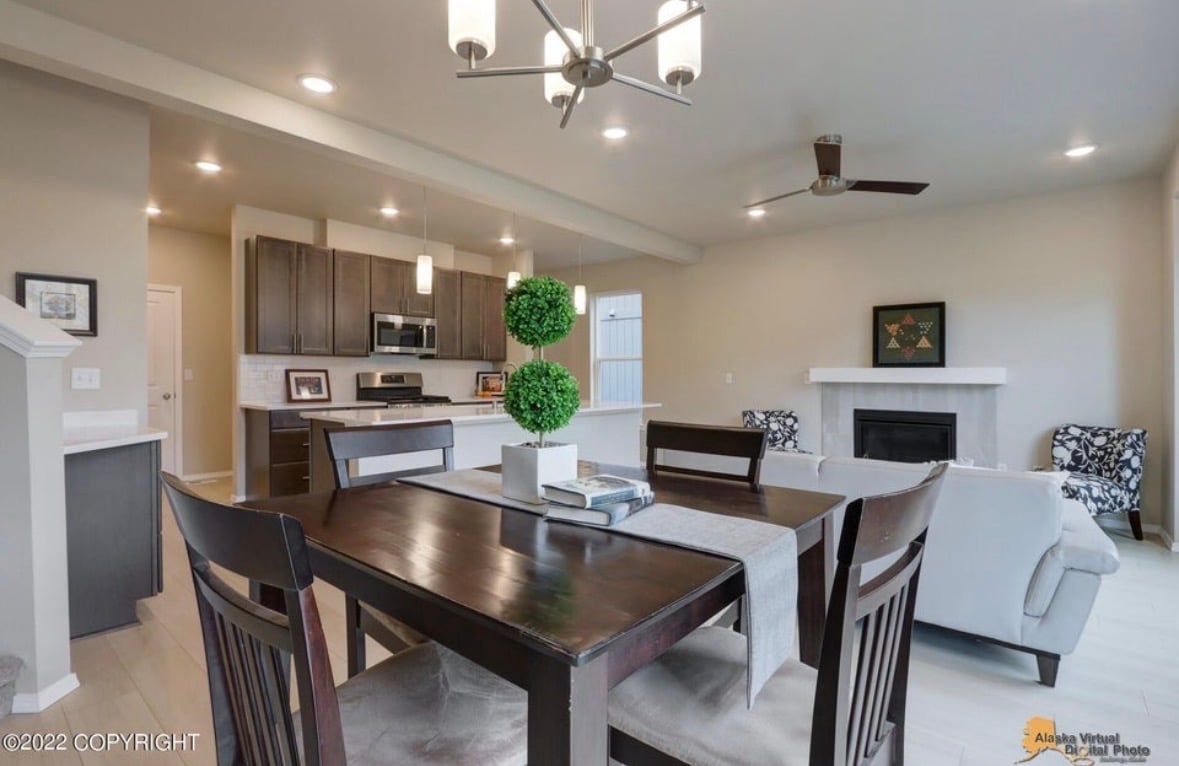
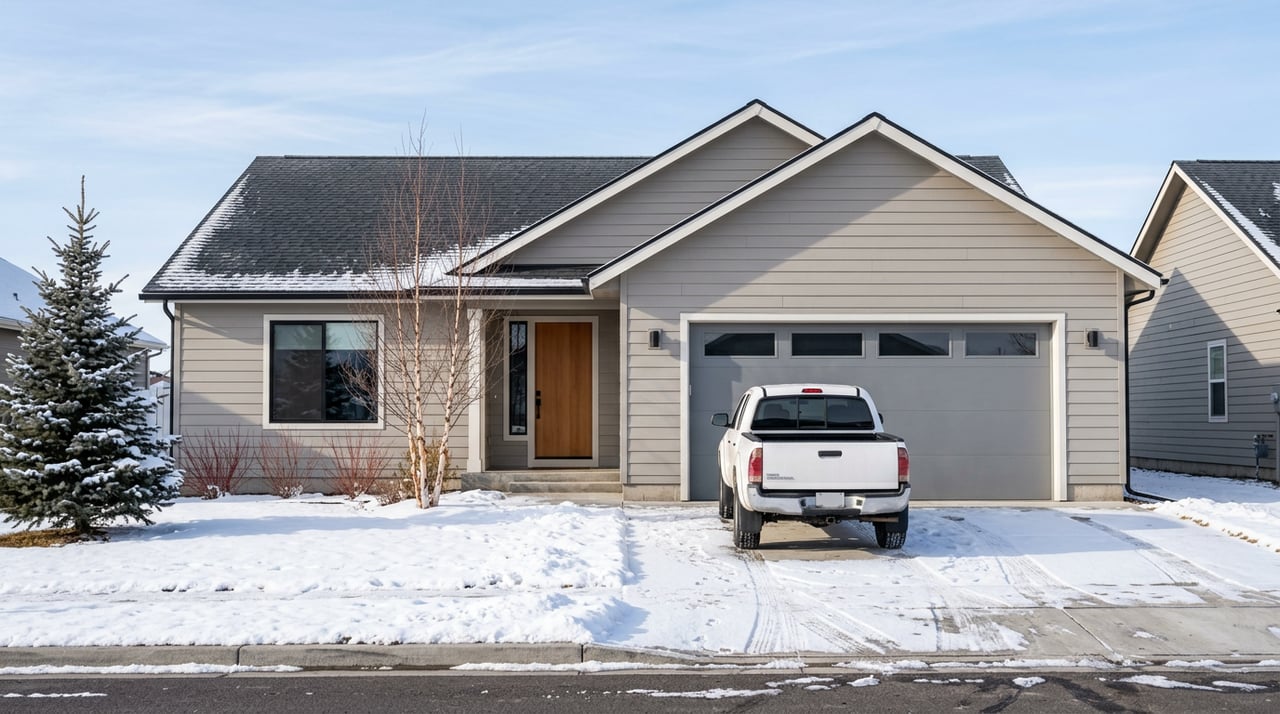
New homes in the Valley often include 3 to 4 bedrooms, open great rooms, kitchen islands, large windows for mountain views, and attached two‑car or larger garages built to handle Alaska gear and RVs. Many builds highlight efficient heating systems, including forced‑air natural gas where available or in‑floor options, alongside upgraded insulation and windows.
If energy efficiency and upfront savings matter to you, review the Alaska Housing Finance Corporation’s New Home Construction Rebate. AHFC has offered an example $10,000 rebate for owner‑occupied new homes that meet a 5‑Star Plus or higher energy rating, subject to application windows and eligibility rules. Check current details on the AHFC program page and ask your builder how they plan to meet the rating.
Commute and location tradeoffs
The Mat‑Su Valley is a commuter region. Many residents drive to Anchorage or other Valley job centers, and typical travel times often land around the half‑hour mark or longer depending on where you live and road conditions. For context on regional patterns and options like vanpools, review local reporting from AKBiz on commuting in Alaska.
Small distance changes can affect your daily drive. Lots closer to the Glenn Highway or Palmer‑Wasilla Highway usually reduce travel time compared with interior routes, especially in winter. Before you commit, test your commute during rush periods and in typical winter conditions to confirm drive times align with your routine.
Real‑world snapshots
- Wasilla example: The borough continues to advance multi‑phase subdivisions in the Wasilla area, such as Wasilla Creek Commons Phase 3 in recent packets. These approvals illustrate the suburban infill pattern, with phases planned over time and lot sizes that often align with city zoning minimums or nearby borough standards. See the current Platting Board packet for reference.
- Palmer pattern: Around Palmer, many marketed new lots emphasize space, privacy, and proximity to agricultural backdrops or views. You will find offerings that lean toward 1 to 2 or more acres in outlying areas, alongside smaller legacy lots nearer the core, which reflects Palmer’s code that ties lot minimums to plat record dates. Review the Palmer code for how that works.
How to choose your best fit
- Choose Wasilla if you prioritize quicker access to retail corridors, denser city neighborhoods, and defined residential zoning. City‑served areas often streamline utilities and can simplify build steps.
- Choose Palmer if you value a small‑town center with an agricultural backdrop and want a higher chance at larger or hobby‑farm style lots. The surrounding area commonly offers more acreage while the core retains smaller town lots.
- Choose either if you want modern floor plans, efficient systems, and access to AHFC energy incentives. Builders in both markets deliver these features, so your lot and service priorities can lead the decision.
Buyer checklist for lots and builders
Use this quick list to compare specific parcels side by side. Ask your agent and builder for documentation so you can validate each item.
- Confirm jurisdiction and zoning. Is the lot inside Wasilla or Palmer, or under the borough only. City rules versus borough rules affect lot minimums, setbacks, and services. Start with the Wasilla land use table and the Mat‑Su maps.
- Check the Palmer plat date. For Palmer‑area lots, the minimum lot area depends on when the plat was recorded. Verify the record date and standards in PMC 17.20.060.
- Verify water and sewer. Ask for a city map or a letter showing service availability. For Wasilla, use the Drinking Water page to connect with utility staff.
- Confirm AHFC eligibility. If you want the energy rebate, verify the plan and timing with your builder and cross‑check the AHFC program page.
- Review drainage and soils. Ask for engineered site plans, drainage notes, and any geotechnical reports. Local coverage of Cooper Woods highlights why this matters. See the drainage issue report.
- Confirm final scope and specs. Request a detailed spec sheet: insulation R‑values, foundation type, heating system, garage size, driveway and parking, and which site work will be complete before closing.
- Test the commute. Drive the route during peak hours and a winter evening to verify time and comfort level. For regional context on commuting, see AKBiz’s overview.
Avoid surprises during build‑out
New subdivisions can evolve over several phases. Roads, drainage, and utilities are completed in steps, which is normal, but you should know exactly what is scheduled before your closing. The borough’s platting packets, like the December 2024 examples, show how phasing looks on paper. Use them as a guide to ask better questions about timelines, maintenance, and responsibilities.
Ready to compare specific lots in 99654
If you want a clear, construction‑savvy plan for your new build, our team is here to help you verify plat dates, utility letters, AHFC eligibility, and builder timelines. We work across Wasilla and Palmer with a high‑touch approach that keeps your priorities front and center. Let’s map your must‑haves to the right subdivision and lot so your build goes smoothly from offer to keys. Schedule your Personal Consultation with tophomesalaska.com.
FAQs
How do Wasilla and Palmer lot minimums compare for new builds?
- Wasilla sets minimum lot sizes by zone, such as 10,000 sq ft for R1 and 20,000 sq ft for RR, while Palmer ties minimums to the plat record date, ranging from 5,000 to 8,400 sq ft for R‑1 lots. See Wasilla’s table and PMC 17.20.060.
What utilities should I verify before buying a new‑construction lot in the Mat‑Su Valley?
- Confirm municipal water and sewer availability, natural gas and electric hookups, and any extension costs or capacity notes. Start with Wasilla’s Drinking Water page and the Palmer city site, and request written confirmation from utilities.
Are AHFC energy rebates available for new homes in Wasilla or Palmer?
- AHFC has offered a New Home Construction Rebate for qualifying energy‑efficient homes, for example $10,000 for 5‑Star Plus ratings, subject to program windows and rules. Check current details on the AHFC program page.
How does commuting affect whether I should build in Wasilla or Palmer?
- Many Valley residents commute, with common drive times around half an hour or more depending on location and conditions. Proximity to the Glenn Highway or Palmer‑Wasilla Highway can reduce time, so test routes at rush hour and review regional commuting context.
What documents help me evaluate a new subdivision lot in the Mat‑Su Borough?
- Use the recorded plat, zoning and lot minimum standards, utility service letters, and any soil or drainage reports. Borough platting packets show phasing and conditions that help you ask targeted questions before you commit.