Your First Winter in Alaska: What to Expect When Moving to Anchorage
Moving to Alaska is exciting, but if you're relocating from another state, your first winter can come with a few surprises.
From shorter daylight hours and snowy roads to heating costs and winter recreation, living in Anchorage, Eagle River, Wasilla, or Palmer is different from living in most other parts of the country.
The good news? A little preparation goes a long way.
Whether you're moving to Alaska for work, relocating to Joint Base Elmendorf-Richardson (JBER), or simply looking for a change of scenery, here's what to know before experiencing your first Alaska winter.
How Cold Does Anchorage Get in Winter?
One of the biggest misconceptions about Alaska is that the entire state experiences the same extreme winter temperatures.
In reality, winter conditions vary significantly by location.
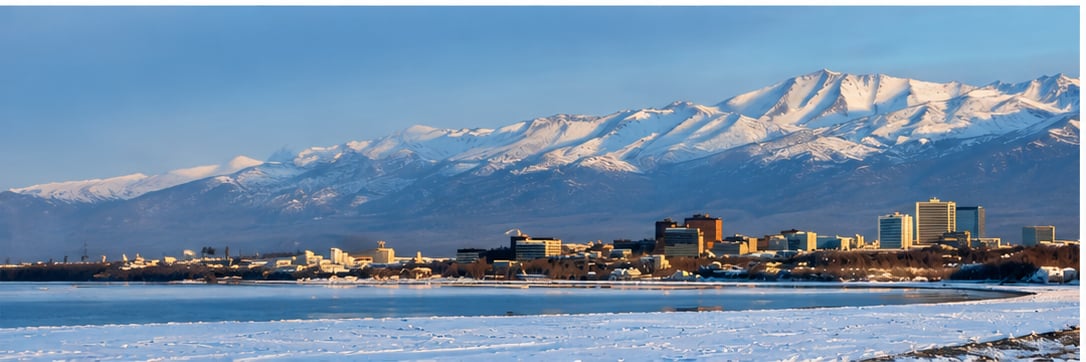
Anchorage has a relatively moderate winter climate compared to Interior Alaska, although temperatures regularly fall below freezing.
Eagle River and the Mat-Su Valley can experience colder temperatures, particularly in areas farther from the coast.
If you're moving to Southcentral Alaska, expect:
Snow and ice throughout much of winter
Temperatures that regularly drop below freezing
Occasional periods of extreme cold
Changing road conditions
Significant differences in daylight throughout the season
The weather can change quickly, so keeping an eye on local forecasts becomes part of everyday life.
Understanding Alaska's Winter Daylight
One of the biggest adjustments for people moving to Alaska is the change in daylight hours.
In Anchorage, the shortest day of the year brings approximately 5.5 hours of daylight.
However, the opposite is true during summer, when Anchorage experiences nearly 19.5 hours of daylight around the summer solstice.
Many Alaskans embrace winter by making time for outdoor activities during daylight hours, maintaining routines, and finding ways to enjoy the season.
Winter Driving in Anchorage & Mat-Su
Winter driving is an important skill for anyone relocating to Alaska.
Snow-packed roads, black ice, reduced visibility, and changing weather conditions can make even familiar routes challenging.
If you're new to driving in Alaska, consider these tips:
Invest in appropriate winter tires.
Keep an emergency kit in your vehicle.
Allow extra time when traveling.
Increase following distances.
Clear snow and ice from your vehicle before driving.
Check road conditions before longer trips.
For residents commuting between Wasilla, Palmer, Eagle River, and Anchorage, the Glenn Highway is a major route.
The Alaska Department of Transportation recommends preparing vehicles for winter and adjusting driving speeds to match conditions.
Alaska Department of Transportation
You can check current road conditions at Alaska 511.
What Does It Cost to Heat a Home in Alaska?
Heating is one of the most important household expenses to understand before moving to Alaska.
Monthly heating costs vary based on the home's size, insulation, energy efficiency, heating system, and fuel source.
When renting or purchasing a property, ask about:
Average winter utility bills
Heating system type
Energy efficiency ratings
Whether utilities are included in rent
Maintenance responsibilities
If you're purchasing a home, requesting previous utility information can help you better understand potential monthly expenses.
Winter Activities in Anchorage & Mat-Su Valley
One of the best ways to adjust to winter in Alaska is to find activities you genuinely enjoy.
Southcentral Alaska offers a wide variety of winter recreation opportunities.
Skiing & Snowboarding
Alyeska Resort in Girdwood and Arctic Valley near Anchorage are popular destinations for winter sports.
Cross-Country Skiing
Anchorage has an extensive network of groomed ski trails, including areas around Kincaid Park and the Hillside trail system.
Northern Lights Viewing
Winter's darker skies create opportunities to see the northern lights when conditions cooperate.
Ice Skating & Outdoor Recreation
Depending on weather and ice conditions, residents can enjoy skating, snowshoeing, sledding, and other winter activities.
Always verify that outdoor ice is safe before venturing onto lakes or ponds.
Choosing Where to Live in Southcentral Alaska
If you're relocating to Alaska, choosing the right location is about more than finding a home you love.
Anchorage offers access to shopping, restaurants, employers, medical facilities, and recreation.
Eagle River provides a mix of residential neighborhoods, mountain scenery, and access to Anchorage and JBER.
Wasilla and Palmer offer a variety of housing options, including properties with larger lots and access to the Mat-Su Valley's outdoor recreation opportunities.
Consider your daily commute, preferred amenities, housing budget, and winter maintenance responsibilities when comparing locations.
Making Alaska Feel Like Home
Your first winter in Alaska will probably teach you a few things.
You'll learn which boots actually keep your feet warm, why everyone pays attention to the weather forecast, and how quickly a sunny winter afternoon can turn into a snowy evening.
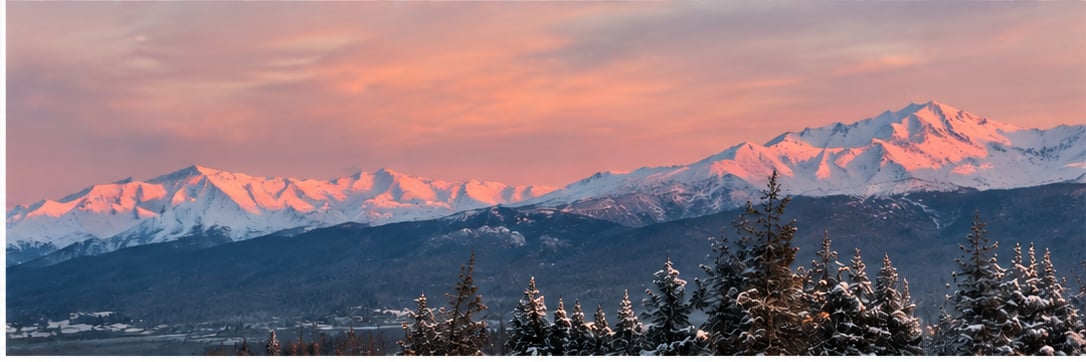
But you'll also experience snow-covered mountains, northern lights, winter recreation, and a landscape that changes dramatically with the seasons.
For many residents, those experiences become some of their favorite parts of living here.
Thinking About Moving to Anchorage or Mat-Su?
Relocating to Alaska involves more than finding the right property. Understanding local communities, housing options, and seasonal considerations can help you make a more informed decision.
Whether you're relocating to Anchorage, Eagle River, Wasilla, or Palmer, the Top Homes Alaska team is here to help you explore your options.
Top Homes Alaska
Keller Williams Realty Alaska Group