What if your morning walk came with Cook Inlet views and a direct path to downtown? If you love fresh air, easy bike rides, and year-round recreation, living near Anchorage’s Tony Knowles Coastal Trail can shape your daily routine in the best way. You may be weighing tradeoffs like privacy, winter access, and housing options. In this guide, you’ll learn what everyday life feels like, which neighborhoods offer convenient access, what to look for in a home, and how to plan for our seasons. Let’s dive in.
Why the Coastal Trail draws residents
The Tony Knowles Coastal Trail stretches about 11 miles from near downtown Anchorage to Kincaid Park. It is paved and supports walking, running, cycling, and rollerskiing in warmer months. In winter, many sections are groomed for cross-country skiing and also see fat-biking and walking.
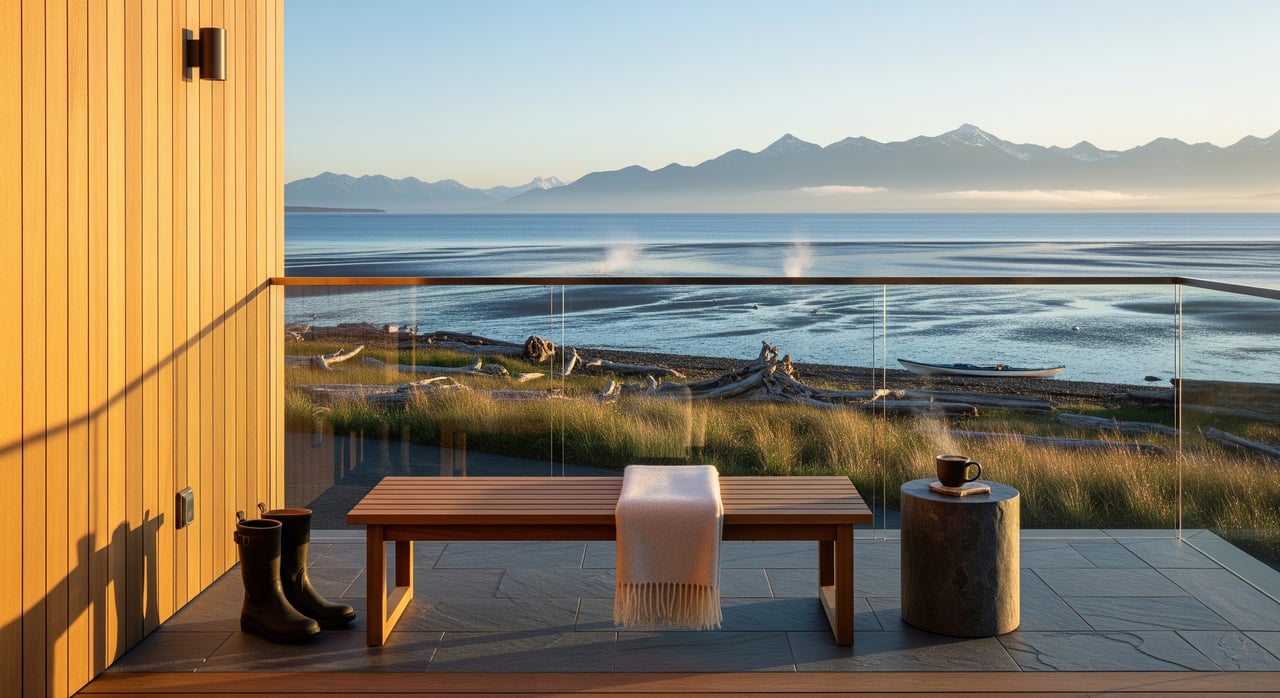
You get big views across Cook Inlet, including sunsets when conditions allow. Popular landmarks include Westchester Lagoon, Point Woronzof, Earthquake Park, and Kincaid Park. Multiple access points and parking areas make it practical for quick outings or longer adventures.
Neighborhoods with easy access
Several neighborhoods sit close to the trail and offer different lifestyles and housing types. Your best fit depends on how you plan to use the trail and how much privacy you want.
- Downtown and near-downtown: Urban living with high walkability to shops, dining, offices, and transit. You will see more condos and multi-family options here, along with immediate access to the trail’s eastern end.
- Turnagain and Spenard: Quick access to Westchester Lagoon and Point Woronzof. You’ll find a mix of single-family bungalows, mid-century homes, remodeled properties, and newer townhomes or condos. This area strikes a balance between outdoor access and city amenities.
- Oceanview, Bayshore, and edges of Abbott Loop: Predominantly single-family neighborhoods with quick driving or biking access to the trail’s western sections and Kincaid Park.
- Kincaid Park area: Primarily single-family homes with mid-sized lots and immediate access to large parkland and the western trail terminus.
What daily life looks like
Living near the trail gives you year-round ways to move your body and clear your head. Many residents use the path for short trips and bike commutes to downtown or midtown. Others keep it simple with regular walks, runs, or sunset rides.
You’ll see birdwatchers, photographers, and families enjoying benches, viewing platforms, and picnic spots. Wildlife sightings are part of the experience, including shorebirds, waterfowl, and occasional moose in nearby green spaces. Marine views, including seals and sometimes belugas, are possible from certain vantage points.
Proximity to the trail often builds a social rhythm around the outdoors. Community events, fun runs, and charity rides can pass through the corridor. On fair evenings, expect a friendly, active scene near popular viewpoints.
Seasons on the trail
Anchorage’s seasons shape how you use the trail. Planning for weather and daylight helps you make the most of it.
- Summer: Long daylight and mild weather draw the most users. Walking and cycling are easy, and businesses tend to have longer hours. Expect more traffic near popular access points.
- Spring and fall: Conditions can be wet, with variable surfaces at access areas. Crowds thin, and layered clothing is your friend. This is a great time for quieter runs and rides.
- Winter: Many sections are groomed for cross-country skiing. Fat-bikes and walkers also use the trail. Short daylight and cold mean you should carry lights and wear reflective gear. Properties near exposed sections may see more wind and salt spray.
Housing types near the trail
You have choices that match different budgets and lifestyles.
- Downtown: Condos, apartments, and some high-rise living. This works well if you want immediate urban amenities and fast access to the eastern trailhead.
- Turnagain and Spenard: A wide mix of mid-century single-family homes, remodeled properties, and newer infill townhomes or small condo buildings. These blocks often balance privacy and proximity.
- Near Kincaid Park and the western sections: Mostly single-family homes, sometimes on larger lots. Many properties focus on park access and views.
If you want to avoid heavy trail traffic, consider a home that is within a short walk or ride, not directly adjacent. If you want the fastest access, a home near a maintained entrance or parking area makes quick outings simple.
Buyer checklist for trail access
Use this checklist to focus your search and protect your investment.
- Proximity and privacy: Homes right next to high-use sections enjoy instant access but can see more passersby and some noise. Being 5 to 10 minutes away on foot can offer a better balance.
- Orientation and views: If views matter, confirm the home’s orientation and whether view corridors are likely to remain. Consider how prevailing winds may affect comfort on decks and patios.
- Entry points and parking: Verify how close you are to a maintained access point or trailhead parking. Check for on-street parking rules or HOA policies if you plan to host guests.
- Storage and mudroom: If you will bike, ski, or walk daily, a mudroom and secure gear storage are essential. Look for garage space that fits bikes, skis, and seasonal gear.
- Exterior durability: Coastal exposure can speed up wear on exterior paint and metals. Prioritize durable siding, well-maintained flashing, and documented exterior upkeep.
- HOA and covenants: For condos or townhomes, review rules for bike storage, pets, short-term rentals, and exterior maintenance responsibilities.
- Flooding and erosion: Ask for elevation information and any known flood or erosion history. Check municipal floodplain maps and talk to your insurer about coverage and costs.
- Winter grooming and plowing: Confirm winter grooming for ski tracks and whether nearby access paths are plowed, especially if you plan to commute in colder months.
- Commute and transit: Map out bike or walk times to work, school, and stores. Confirm People Mover bus stops and frequency near your block.
Practical rules and safety
Anchorage’s park system sets rules to keep the trail safe and welcoming. Trail users should follow municipal park rules, including leash and cleanup requirements for dogs where posted. Motorized vehicles are generally restricted, except for authorized maintenance or emergency use.
Special events, like races or organized rides, usually require permits and can increase traffic for short periods. Most of the trail is unlit, so you should plan lighting and reflective gear when daylight is limited. Emergency access points exist along the route, but response times can vary and cell service may be spotty in places.
As in any city, secure your bike and belongings. Regular daytime use supports a safe environment, and common-sense precautions go a long way.
Smart inspection and due diligence
Trail-side living adds a few items to your home inspection and document review.
- Exterior check: Look for salt-related corrosion on metal components and confirm the condition of roof edges, decks, and railings.
- Moisture and drainage: Ask about any water intrusion history. Review foundation and basement conditions, and check that surface drainage moves water away from the structure.
- Trees and roots: Note large trees near foundations, especially in greenbelt-adjacent lots. Root systems can affect drainage or hardscape over time.
- Privacy and fencing: Confirm what fencing and screening are allowed near greenway easements. Know setback rules before planning improvements.
- Permit history: Review permits for additions, garages, accessory dwelling units, and decks. Trail-adjacent parcels may have easements that affect how and where you can build.
If you focus on newer construction, look for coastal-grade materials and proven exterior details. Durable siding, robust flashing, and quality paints or stains can reduce maintenance and extend longevity.
Is trail-side living right for you?
If you thrive on easy access to nature and want a year-round path for movement, the Coastal Trail is a strong lifestyle fit. You will spend less time planning adventures and more time outdoors. If you prefer quiet streets with minimal passersby, consider a home a few blocks back with an easy path to a maintained access point.
When you are ready to explore homes near the trail, you deserve a construction-savvy guide who understands Anchorage’s seasons, materials, and permitting. Our boutique team pairs local knowledge with builder partnerships to help you find the right home and make a confident decision.
Ready to take the next step? Connect with the team at Top Homes Alaska to map your options, tour neighborhoods, and create a plan that fits your lifestyle.
FAQs
How close is the Tony Knowles Coastal Trail to downtown Anchorage?
- The trail begins near downtown and runs west to Kincaid Park, so many near-downtown locations offer immediate or short-walk access to the eastern trailhead.
Is the Tony Knowles Coastal Trail usable year-round for locals?
- Yes, with seasonal changes; summer favors walking and biking, and many winter sections are groomed for cross-country skiing with fat-biking and walking also common.
What wildlife might I see if I live near the Coastal Trail?
- Shorebirds, waterfowl, and fox are common in adjacent green spaces, and moose appear at times; from certain viewpoints, you may also spot seals and occasional belugas.
Do homes next to the trail lose privacy compared to nearby blocks?
- Homes directly along high-use sections can see more passersby and some noise, while homes a short 5 to 10 minute walk away often balance access with privacy.
Are there flood or erosion insurance concerns for trail-adjacent homes?
- Coastal exposure can affect flood, erosion, and wind coverage depending on parcel elevation and shoreline; review municipal floodplain maps and consult your insurer.
Is biking to work practical from neighborhoods near the Coastal Trail?
- For many commutes to downtown and parts of midtown it can be practical, but your timing depends on exact location, route, fitness, and winter grooming or plowing conditions.